Is Mining Without a Pool Worth It in 2026? Solo Mining Explained for US Miners
In 2026, mining without a pool remains one of the most debated strategies among American miners. With network difficulty at all-time highs, many crypto enthusiasts wonder if going solo can still deliver real profits or if joining a reliable pool is the smarter business decision. At MiningPoolStats, we provide clear, up-to-date comparisons to help you choose the most profitable path for your mining operation.
Whether you run a home rig in Texas, a large farm in Nevada, or an industrial-scale facility in Ohio, understanding solo mining versus pool mining is essential. This detailed guide breaks down everything — from technical requirements to real-world profitability — so you can make an informed decision and maximize your returns.
What Does Mining Without a Pool Really Mean?
The Core Concept of Independent Mining
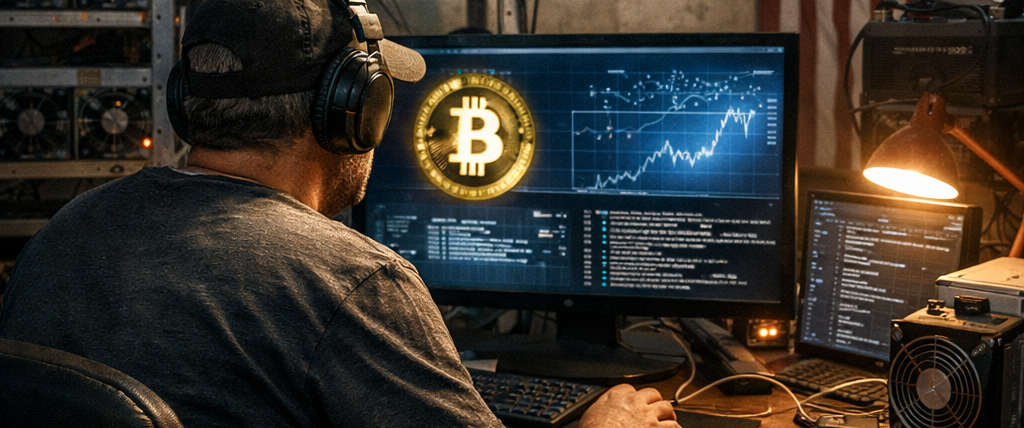
Mining without a pool means your hardware works completely alone. Your ASIC miners or GPU rigs connect directly to the blockchain network and attempt to solve blocks independently. There is no sharing of hash power, no coordination with thousands of other miners, and no splitting of rewards. When you find a block, you keep 100% of the reward plus all transaction fees.
This approach gives you full control. You decide when to mine, which coin to target, and how to manage your electricity costs. However, it also means you bear every risk alone. In today’s competitive environment, especially for Bitcoin, the odds of finding a block with average equipment are extremely low.
Why Some Miners Still Choose This Route in the USA
Many experienced miners in states like Kentucky, North Carolina, and Washington prefer mining without a pool for the independence it offers. They want to avoid even small pool fees and believe their large-scale operations give them a real statistical chance. Others simply enjoy the lottery-like thrill of potentially winning an entire block reward.
Yet for most American miners with 100 TH/s to 5 PH/s setups, solo mining often results in long periods of zero income while electricity bills continue to arrive every month.
Solo Mining as a Real Alternative
How Solo Mining Works in Practice
Solo mining is the purest form of cryptocurrency mining. You run specialized software that connects straight to a full node. Your hardware receives block templates directly from the network and submits solutions only when you discover a valid block. No intermediaries, no pool operators — just you and the blockchain.
Popular choices include BTC solo mining, Bitcoin solo pool setups, and solo mining on lower-difficulty coins like Dogecoin and Kaspa. In 2026, many miners explore Kaspa solo mining and Dogecoin solo mining because their networks still allow smaller operations a realistic shot at rewards.
Best Tools and Setup for American Solo Miners
Successful solo miners in the United States typically use dedicated full nodes, optimized mining software, and stable high-speed internet. They also invest in excellent cooling systems and backup power solutions — critical in states with hot summers or unstable grids.
If you are considering solo mining BTC, you will need massive hash rate. Smaller miners often test the waters with p2pool-style setups or dedicated solo pools that still give the “all-or-nothing” payout structure many prefer.
Popular Solo Mining Coins Right Now
- Bitcoin solo mining (high reward, extremely difficult)
- Kaspa solo mining (fast blocks, more frequent wins)
- Dogecoin solo mining (merged mining options available)
- Other emerging coins with lower network difficulty
Why Mining Pools Exist and Dominate the Industry
The Main Reasons Most US Miners Join Pools
Mining pools were created to solve one core problem: variance. Instead of waiting months or years for a single block, you receive small but consistent payouts proportional to your contributed hash rate. This predictability is essential for running a profitable mining business in America, where electricity costs, taxes, and equipment depreciation must be carefully managed.
Top pools in 2026 offer features like instant payouts, low fees (often under 1%), smart payout schemes (PPS, PPLNS, FPPS), and excellent mobile apps for monitoring from anywhere in the country.
Key Advantages of Using a Professional Pool
Working with a good pool gives you stability, technical support, and protection against network attacks. You can focus on expanding your farm, negotiating better electricity rates with local providers, or adding more miners instead of troubleshooting solo connectivity issues.
Can You Actually Mine Solo Without Any Pool?
Technical Possibility vs Economic Reality
Yes, it is technically possible to mine solo without a pool. You simply point your miners at your own full node and start hashing. Many open-source tools make this straightforward. However, economic reality in 2026 makes pure solo mining profitable only for very large operations — typically those exceeding 50–100 PH/s for Bitcoin.
For most American miners, solo mining BTC is more of a hobby or long-term bet than a steady income source.
When Solo Mining Makes Financial Sense
Solo mining becomes attractive if you have access to very cheap electricity (under $0.03/kWh), operate at industrial scale, or simply want to diversify part of your hash rate. Some miners allocate 10–20% of their rigs to solo attempts while keeping the majority in stable pools.
What Hash Rate Do You Need for Mining Without a Pool?
Realistic Requirements in 2026
For profitable Bitcoin solo mining you need hundreds of petahashes. Even then, expected time between blocks can be weeks or months. For Kaspa solo mining or Dogecoin solo mining the requirements are much lower — often achievable with a few dozen high-end ASICs.
Use our hash rate calculators on MiningPoolStats to see exact probabilities based on current network difficulty and your location’s electricity price.
Risks of Underpowered Solo Mining
Running solo with insufficient hash rate means paying full electricity costs with almost zero chance of reward. This can quickly turn a potentially profitable operation into a money-losing one.
Risks of Mining Without a Pool vs Pool Benefits
Major Risks of Going Solo
- Extremely high income variance — months of zero payouts
- No protection during network difficulty spikes
- Higher chance of technical issues going unnoticed
- Full responsibility for node maintenance and security
- Difficulty scaling operations efficiently
Why Pools Are Usually the Better Business Choice
Modern mining pools deliver consistent daily or hourly payouts, professional monitoring, automatic failover, and detailed analytics. You can start small and scale up without worrying about long dry spells. Top pools also support dozens of coins, allowing you to switch instantly when one becomes more profitable.
At MiningPoolStats we rank the best mining pools for 2026 based on fees, uptime, payout speed, and miner feedback — helping thousands of American miners make better decisions every month.
Ready to maximize your profits? Compare the top pools today, calculate your potential earnings, and choose the strategy that best fits your operation — whether solo mining or a reliable pool. MiningPoolStats gives you the data and tools you need to succeed in the US crypto mining market.