Best Kaspa Mining Pool in 2026: Complete Guide to Maximize Your KAS Rewards
If you are serious about cryptocurrency mining, you already know that choosing the right pool is just as important as having the best hardware. Kaspa (KAS) has emerged as one of the most profitable and technically innovative projects in the crypto space, and in 2026, the competition among mining pools has never been fiercer. Whether you are running a warehouse full of ASICs in Texas, a GPU rig in your garage in Brazil, or a single miner in Germany, selecting the optimal pool directly impacts your bottom line. This comprehensive guide will walk you through everything you need to know about Kaspa mining pools, comparing the top contenders, explaining payout models, and helping you decide which platform gives you the highest return on investment. As an independent analytics service, MiningPoolStats provides real-time data, and we have compiled this guide to help miners across the United States, South America, and Europe make an informed decision.
Why Kaspa Mining Dominates the Conversation in 2026
Kaspa is not just another altcoin; it is a technological breakthrough built on the GhostDAG protocol, which allows blocks to coexist in parallel rather than in a linear chain. This unique architecture solves the blockchain trilemma by delivering security, scalability, and decentralization simultaneously. For miners, this translates to consistent block rewards and a network that remains profitable even during market fluctuations. The kHeavyHash algorithm, which powers Kaspa, is designed to be ASIC-friendly while maintaining resistance to centralization, making it an ideal target for both industrial-scale operations and hobbyists.
In 2026, the Kaspa network has matured significantly. The block reward schedule has stabilized, and the ecosystem now supports a wide array of tools, wallets, and exchange integrations. This maturity means that mining Kaspa is no longer a speculative gamble but a reliable source of income for those who optimize their setup. For miners in North America, Europe, and South America, the key challenge is no longer whether to mine Kaspa, but how to mine it most efficiently. This is where pool selection becomes critical. A well-chosen pool minimizes latency, reduces stale shares, and offers payout structures that align with your operational goals.
Understanding the kHeavyHash Algorithm and Its Impact on Pool Choice
The kHeavyHash algorithm is the engine behind Kaspa, and it has specific characteristics that influence how pools operate. Unlike Bitcoin’s SHA-256, which is extremely compute-intensive, kHeavyHash places a balanced demand on both computational power and memory bandwidth. This balance means that hardware optimization varies significantly between manufacturers. ASIC miners from Bitmain (Antminer KS series) and IceRiver (KS series) dominate the market, but GPU mining remains viable for those with high-end cards, especially in regions with lower electricity costs like parts of South America and Eastern Europe.
When selecting a pool, you must consider how well its infrastructure handles the kHeavyHash algorithm’s share submission patterns. Pools with servers geographically distributed across North America, Europe, and South America will give you a significant advantage by reducing ping times. Lower latency means your miner submits shares faster, reducing the number of stale shares that get rejected. A stale share rate above 2% is a red flag—it indicates that your connection to the pool is suboptimal, and you are leaving money on the table. Top-tier Kaspa pools offer Stratum V2 support, which further optimizes communication between your miner and the pool, reducing overhead and improving security.
Top Kaspa Mining Pools for 2026: In-Depth Analysis
After analyzing real-time data from MiningPoolStats and gathering feedback from miners across the globe, we have identified the most reliable and profitable pools for Kaspa mining. Each pool has its strengths, and the best choice depends on your location, hardware, and risk tolerance. We will examine five leading platforms: EMCD, Luxor, Antpool, ViaBTC, and F2Pool, along with a look at solo mining options for those seeking higher rewards.
EMCD: The Rising Star with a Global Footprint and Transparent Model
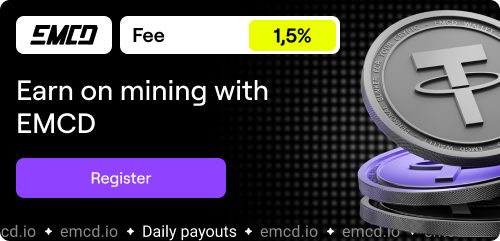
EMCD has rapidly gained popularity among miners worldwide due to its transparent payout system and competitive fees. The pool operates on a PPLNS model, which rewards consistent miners and offers a fair distribution of block rewards. With a fee of just 1% for Kaspa mining, EMCD is one of the most cost-effective options on the market. The platform provides a clean, intuitive dashboard with real-time statistics, making it easy to monitor your workers and earnings.
For miners in Europe and North America, EMCD offers well-positioned servers that ensure low latency and minimal stale shares. The pool supports both ASIC and GPU miners, with clear documentation for setup. EMCD has also built a strong reputation for its customer support and community engagement, which is a significant advantage for miners who value responsive assistance. If you are looking for a reliable and transparent pool with competitive fees, EMCD is an excellent choice.
Official website: https://emcd.io/
Luxor: The Premium Choice for North American Miners
Luxor has established itself as a premier mining pool, particularly popular among North American miners. Known for its cutting-edge technology and focus on transparency, Luxor offers a robust Kaspa mining pool with a PPLNS payout structure. The pool’s infrastructure is optimized for performance, with servers strategically located across the United States to provide the lowest possible latency for miners in the region. For miners in South America, connecting to Luxor’s US servers often yields the best results due to the well-established network routes.
Luxor’s fee for Kaspa mining is competitive, typically around 1-1.5%, and the pool provides detailed analytics that help miners optimize their operations. The platform also supports merged mining for certain coins, though for Kaspa the focus is on delivering stable and consistent rewards. If you are a miner in North America seeking a high-performance pool with a strong focus on technology and transparency, Luxor is a top-tier option.
Antpool: The Bitmain Powerhouse with Solo Mining Capabilities
Owned by Bitmain, Antpool is one of the largest and most trusted mining pools in the world. Its integration with Antminer hardware is seamless, making it the go-to choice for miners using Bitmain’s KS series ASICs. Antpool offers both PPLNS and solo mining modes for Kaspa, giving you flexibility. The PPLNS model here has a competitive fee structure, often around 1%, making it attractive for miners with stable, long-term operations. But where Antpool truly shines is in its solo mining pool. If you have a significant amount of hashrate and want to chase the full block reward of 100 KAS (plus fees), Antpool’s solo infrastructure is robust and transparent.
For miners in North America and Europe, Antpool’s server network is extensive, with nodes strategically placed to minimize latency. The pool’s interface, while not the most modern, is functional and provides all the necessary metrics. One notable feature is the transaction accelerator, which, while primarily for Bitcoin, demonstrates the pool’s deep integration with the Bitmain ecosystem. For Kaspa miners, the key advantage is reliability—Antpool rarely experiences downtime, and payouts are processed automatically when you reach the minimum threshold. This reliability is crucial for miners in South America, where internet stability can vary, as you need a pool that can maintain connections even under less-than-ideal conditions.
Official website: https://antpool.com/
ViaBTC: The Global Leader with PPS+ Stability
ViaBTC is a household name in the mining industry, and for good reason. With a vast infrastructure spanning North America, Europe, and Asia, it offers one of the most stable connections for miners worldwide. For Kaspa, ViaBTC operates on a PPS+ (Pay Per Share Plus) model. This means you get paid for every valid share you submit, regardless of whether the pool finds a block. This model offers predictability—you know exactly how much you will earn each day based on your hashrate and the pool’s fee. The downside is a higher fee, typically around 2% for Kaspa. However, many miners, especially those running large farms or operating in regions with unstable power, prefer this predictability over the variance of PPLNS.
ViaBTC’s dashboard is feature-rich, offering detailed charts on hashrate, earnings, and worker status. The platform supports both ASIC and GPU miners and provides clear instructions for configuration. For miners in the United States, ViaBTC has dedicated servers in Virginia and California, ensuring low latency. European miners can connect to servers in Frankfurt and Amsterdam, while South American miners often route through the US servers with acceptable ping times.
Official website: https://www.viabtc.net/
F2Pool: The Veteran with Global Reach and Extensive Experience
F2Pool, also known as FishPool, has been a cornerstone of the mining community since 2013. With a strong presence in Asia, Europe, and North America, F2Pool offers a highly reliable Kaspa mining pool. Its fee structure is competitive, typically around 2% for PPS and slightly less for PPLNS, though the exact rates can vary based on network conditions. F2Pool is renowned for its detailed analytics and user-friendly interface, which is available in multiple languages, making it accessible to miners worldwide.
One of F2Pool’s standout features is its commitment to transparency. The pool publishes detailed statistics on block discovery, hashrate distribution, and fee collection, allowing miners to verify its operations. For Kaspa, F2Pool supports both ASIC and GPU miners, with clearly documented stratum addresses for different regions. European miners benefit from servers in Germany, while North American miners can connect to US-based nodes. For South American users, connecting to the US servers usually provides the best balance of latency and stability. F2Pool also offers a comprehensive mobile app, allowing you to monitor your miners from anywhere—a valuable tool for remote operations.
Comparing Payout Models: PPLNS vs PPS+ vs Solo
Understanding how you get paid is fundamental to choosing the right pool. The three main models in Kaspa mining are PPLNS, PPS+, and solo mining. Each has distinct characteristics that suit different types of miners.
PPLNS (Pay Per Last N Shares)
PPLNS is the most common model for Kaspa pools. Under this system, your reward is calculated based on the number of shares you submitted during the time window (the last N shares) before a block was found. This model rewards loyalty and stability. If you mine continuously on a PPLNS pool, you will earn a fair share of the block rewards over time. However, there is variance: some days you might earn more if the pool finds several blocks in a row, and other days less if there is a dry spell. PPLNS pools typically have lower fees (around 1-2%) because they shift the variance risk to the miners. This model is ideal for miners with stable 24/7 operations who can average out the variance over weeks or months.
PPS+ (Pay Per Share Plus)
PPS+ pools pay you a fixed amount for each valid share you submit, regardless of whether the pool finds a block. This eliminates variance entirely—your daily earnings are predictable based on your hashrate and the pool’s advertised rate. PPS+ pools usually charge higher fees (2-4%) because they assume the risk of finding blocks. This model is perfect for miners who need a steady income stream, such as those paying operational expenses like electricity and rent. ViaBTC is a prime example of a pool offering this model for Kaspa.
Solo Mining
Solo mining is the purest form: you keep 100% of the block reward when you find a block, minus a small pool fee (if using a solo pool). However, with the network hashrate in the exahash range, the expected time to find a block for a small miner can be months or even years. This model is best suited for miners with very high hashrate (multiple PH/s) or those who are speculating on a lucky streak. Solo mining pools provide the infrastructure to connect your miners to the network without merging your hashrate with others. Antpool, among others, offers dedicated solo mining ports that are easy to set up.
How to Choose the Best Mining Pool for Kaspa: A Step-by-Step Guide
Selecting the right pool requires evaluating your specific situation. Follow these steps to make an informed decision that aligns with your goals and resources.
Step 1: Assess Your Hardware and Power Costs
Start by calculating your total hashrate and your electricity cost per kilowatt-hour. If you are running ASICs with high hashrate, you can consider pools with slightly higher fees if they offer superior stability or lower latency. If you have a small setup, prioritize pools with low minimum payouts and low fees. Use a mining profitability calculator to estimate your daily earnings under different pool fee scenarios.
Step 2: Test Latency to Pool Servers
Latency is one of the most critical factors for mining profitability. Use the ping command in your terminal to test the response time to the pool’s stratum servers. A good latency is under 50 milliseconds (ms). Acceptable latency is up to 100 ms. Anything above 150 ms will likely result in a stale share rate above 2-3%, which will significantly reduce your earnings. Test multiple pools and choose the one with the lowest ping from your location. For North American miners, servers in Virginia, Texas, or California are ideal. European miners should look for servers in Frankfurt, Amsterdam, or London. South American miners often get the best results from US East Coast servers.
Step 3: Decide on Your Risk Tolerance: PPLNS vs PPS+ vs Solo
If you prefer predictable daily earnings, choose a PPS+ pool like ViaBTC. If you are willing to accept some variance in exchange for potentially higher long-term returns and lower fees, choose a PPLNS pool like EMCD, Antpool, F2Pool, or Luxor. If you have massive hashrate and want to chase full block rewards, consider solo mining on a platform that offers a dedicated solo pool. Your risk tolerance should align with your financial situation—if you rely on mining income to cover operating costs, predictability is crucial.
Step 4: Evaluate Additional Features and Usability
Consider the pool’s user interface, mobile app availability, and customer support. For miners in South America or Europe, look for pools that offer support in multiple languages. Check the pool’s reputation on forums and social media—pools with a history of delayed payouts or poor communication should be avoided. Also, verify that the pool provides clear documentation on how to configure your miners and how to troubleshoot common issues. A pool with an active community and responsive support can save you hours of frustration.
Step 5: Start with a Trial Period
Once you have narrowed down your choices, run your miners on a pool for at least 48-72 hours. Monitor your actual stale share rate, the reported hashrate compared to your miner’s reported hashrate, and the consistency of payouts. Use the pool’s statistics page to verify that your submitted hashrate matches your expectations. If you see discrepancies, contact support or try another pool. Don’t be afraid to switch pools if your initial choice does not perform as expected. The mining landscape is dynamic, and a pool that works well today might have issues tomorrow.
Conclusion: Your Path to Profitable Kaspa Mining in 2026
Kaspa remains one of the most exciting and profitable cryptocurrencies to mine in 2026, thanks to its innovative technology and strong community. Whether you are a large-scale miner in North America, a GPU enthusiast in South America, or a professional operator in Europe, the key to maximizing your returns lies in choosing the right mining pool. EMCD offers a transparent and cost-effective PPLNS model with global reach. Luxor provides premium performance for North American miners. Antpool delivers seamless integration for Bitmain ASICs and robust solo mining options. ViaBTC gives you the predictability of PPS+ with a global infrastructure. F2Pool offers reliability and transparency with a veteran reputation.
Take the time to assess your hardware, test latency, and evaluate your risk tolerance. Start with a trial period, monitor your results, and don’t hesitate to switch if performance doesn’t meet expectations. The mining industry rewards those who pay attention to details—stale shares, fees, and payout models all add up. By following the guidance in this article, you can optimize your Kaspa mining operation and ensure that your hardware is working as efficiently as possible.
For real-time data on pool hashrates, fees, and performance, visit MiningPoolStats. Our platform aggregates data from all major Kaspa pools, giving you the insights you need to make data-driven decisions. Join our community to stay updated on the latest trends, software updates, and hardware releases. Happy mining, and may your hashrate always find the next block!